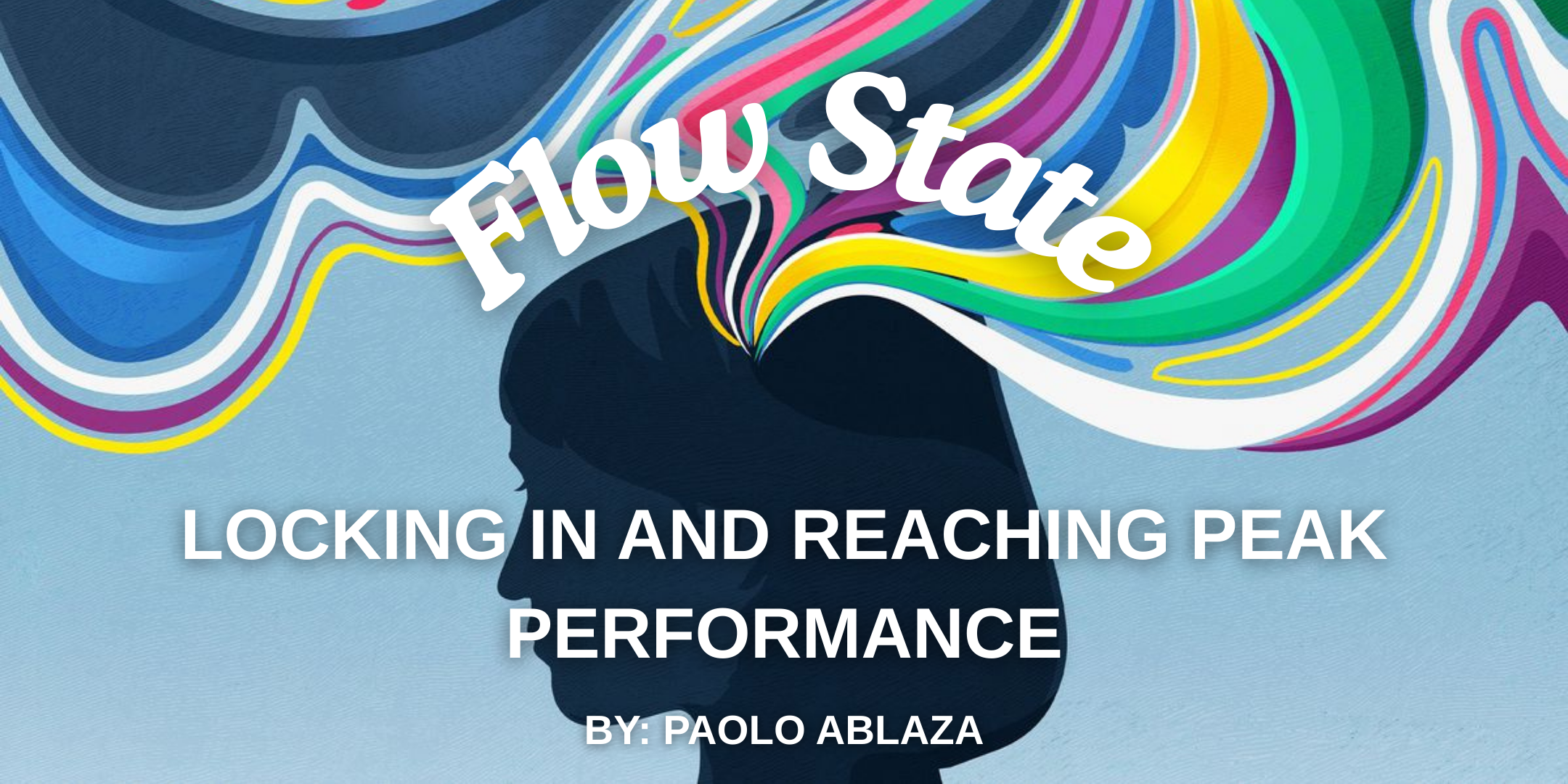
Have you ever worked on something and suddenly realized… Three hours passed. You forgot to check your phone. You weren’t tired. You were just locked in. That is Flow State.
What Is Flow State?
Psychologist Mihaly Csikszentmihalyi, who studied peak performance, described Flow as a state of deep focus where skill and challenge are balanced. Not too easy. Not too hard. Just right.
When that balance happens:
- Time feels faster.
- Worry fades.
- Creativity increases.
- Focus sharpens.
- Performance rises.
Too easy → boredom. Too difficult → anxiety. Balanced → flow.
Flow Is Not Just for Work
You’ve felt it before:
- Playing basketball and everything connects.
- Competing in an online game and you’re “locking in.”
- Running while matching your pace to the beat of your playlist.
- Even doing chores and moving with rhythm.
Flow is not rare. It’s human. And anyone can access it.
Why Flow Matters at Work
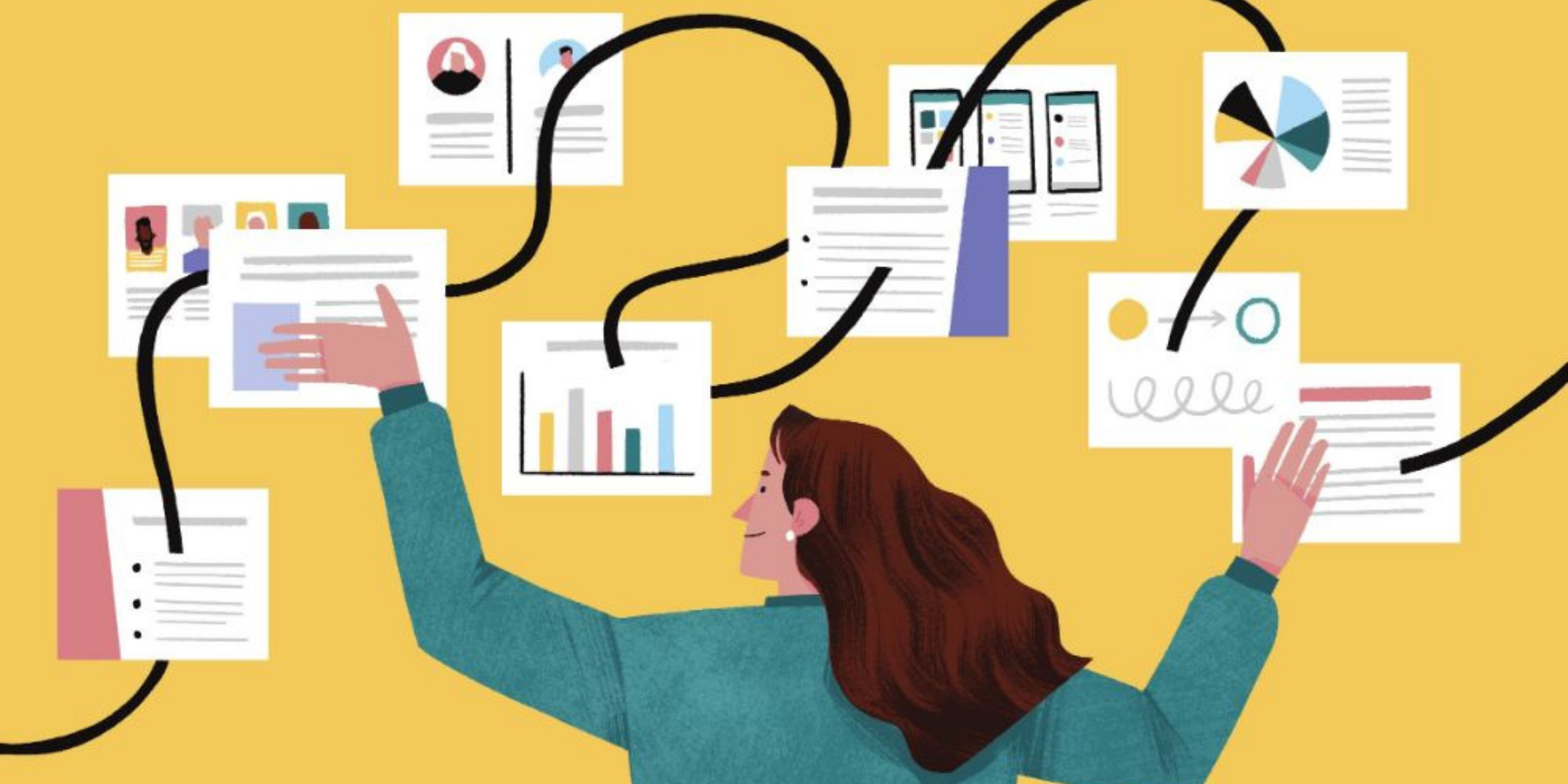
Research shows that people in flow are more productive, more creative, and more satisfied with their work.
In a company like ExeQserve, flow can happen when:
- You are designing a training module and ideas click.
- You are facilitating a workshop and discussion flows naturally.
- You are solving a client problem and the solution becomes clear.
- You are building learning games and your creativity activates.
Flow turns effort into impact. Work stops feeling heavy. It starts feeling meaningful.
How to Increase Your Chances of Entering Flow
You cannot force flow. But you can prepare for it.
-
Set a Clear Target
Vague goals kill focus. Instead of: “Work on presentation.” Say: “Finish slides 1–10 by 11:00 AM.” Clarity creates momentum.
-
Break Big Tasks Into Small Wins
Large tasks overwhelm and small wins energize. Instead of: “Design entire training program.” Start with:
- Draft objectives
- Outline session flow
- Create one activity
Progress builds rhythm.

-
Stretch Yourself — But Don’t Overstretch
Growth happens when you push slightly beyond your comfort zone. Not safe, not impossible, just challenging enough. That’s where flow lives.
-
Protect Your Focus
Flow requires attention. Close extra tabs, silence notifications, block focused time. Some people need silence, others need music. Find your condition and protect it.
-
Don’t Chase Flow
The moment you think, “I need to enter flow now,” you interrupt it. Focus on the task. Flow follows.
What Blocks Flow?
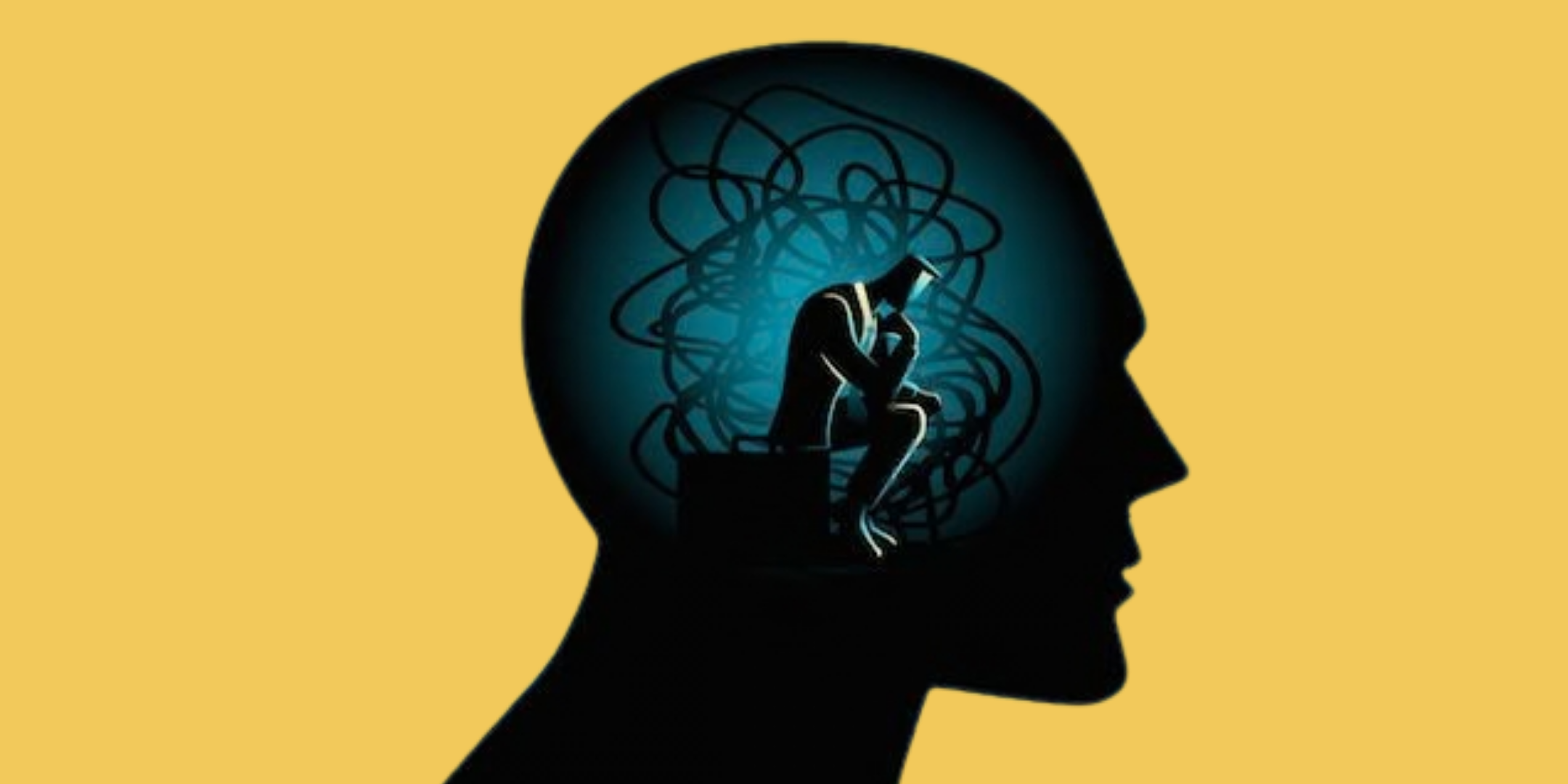
Negativity. When you’re about to build momentum then someone keeps complaining, energy drops, focus breaks, and negativity clouds vision. Stay solution-focused and protect your mental space.
The Hidden Risk: When Flow Goes Too Far
Flow feels good, so good that stopping becomes hard. But extended flow without recovery leads to exhaustion. Even high performers need pauses and peak performance requires recovery. Step back. Reset. Return stronger.
Reflection Questions
Before you move to your next task, ask yourself:
- When was the last time I experienced flow at work? What was I doing?
- Was the task too easy, too hard, or balanced?
- What distractions usually pull me out of focus?
- How can I design my next task to be clear, challenging, and meaningful?
Flow is not magic. It is not talent. It is not luck. It is preparation meeting focus. Create the right conditions. Then lock in.