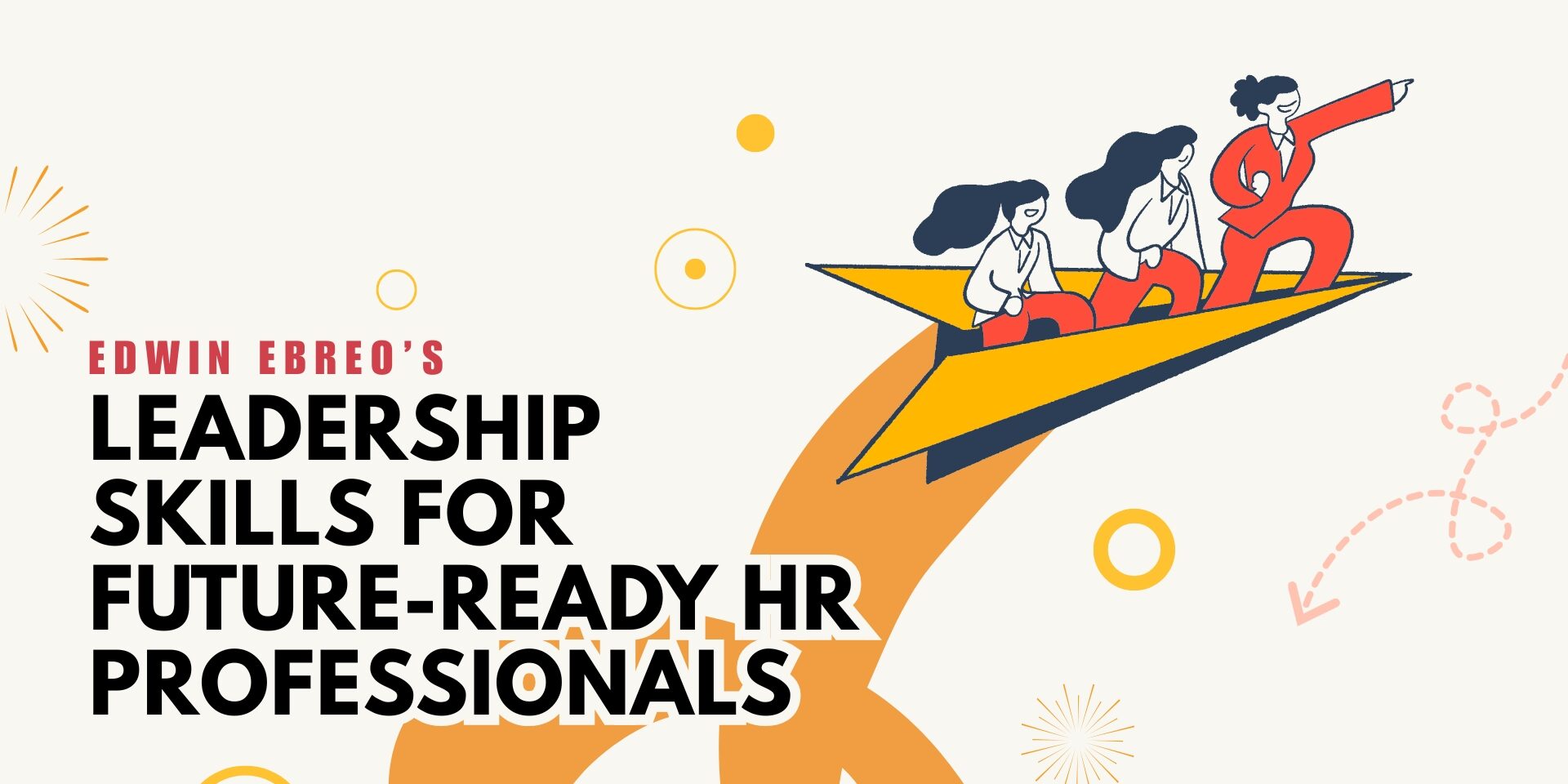
The role of HR in the Philippines has never been more critical. Today’s HR practitioners face a perfect storm of challenges that demand more than policymaking or compliance work. We are being called to lead.
Let’s take a look at the current reality:
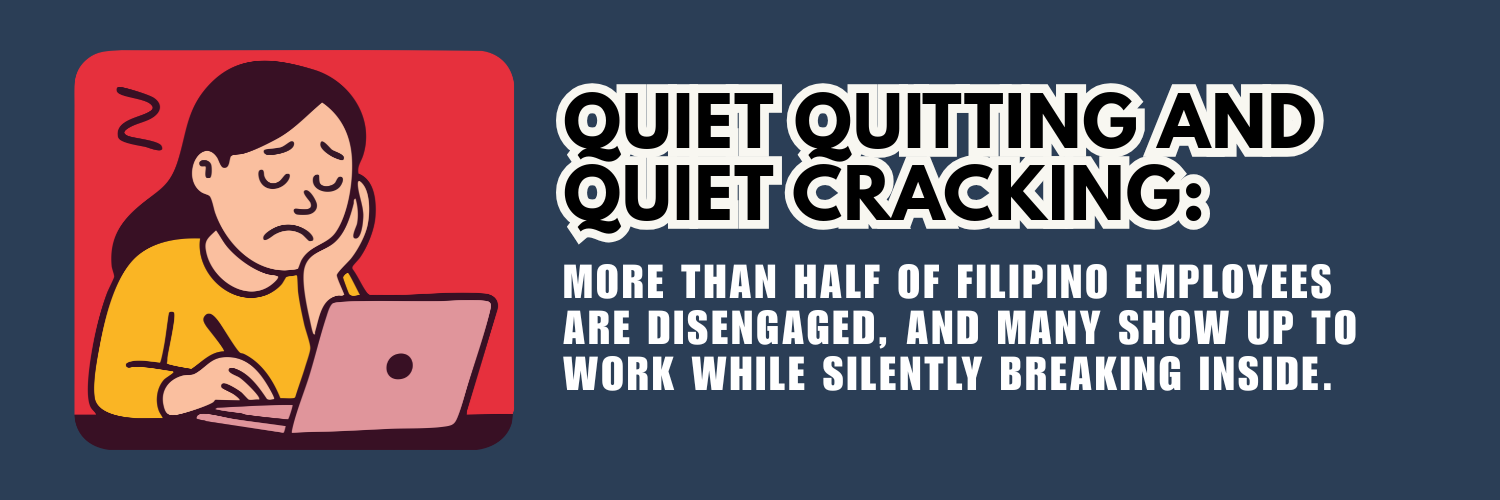
- Quiet quitting and quiet cracking: More than half of Filipino employees are disengaged, and many show up to work while silently breaking inside.
- Burnout and mental health struggles: Over 70% of Filipino workers report burnout and 41% experience anxiety at levels above regional averages.
- Skills mismatch and competitiveness issues: The Philippines ranks only 84th out of 134 in the Global Talent Competitiveness Index, with graduates struggling to meet workplace requirements.
- Digital lag: Many organizations are still behind in HR tech adoption, leaving them unprepared for AI and automation
- ESG pressures: Sustainability reporting is moving from optional to mandatory, requiring HR to embed environmental, social, and governance practices into people systems.
If these worries sound familiar, you are not alone. But here’s the truth: these challenges are not just risks—they are opportunities for HR to step up as leaders of change.
This is where the idea of Future-Ready HR Leadership comes in. Drawing from both global frameworks and local realities, I propose that Filipino HR leaders strengthen six interconnected skills that will prepare us for the future:

- Worldview – the ability to see beyond compliance and connect HR work to long-term societal impact.
- Networking – building strong partnerships within and outside the organization to co-lead change.
- Boundaries – becoming a T-shaped professional with both HR expertise and broad business knowledge.
- Influence – leading through credibility, persuasion, and purpose rather than authority alone.
- Complexity – navigating workforce issues that don’t have clear answers, using experimentation and adaptive leadership.
- Self-Leadership – developing clarity, resilience, and continuous learning as the foundation for leading others.
Over the next few weeks, I will write about each of these skills in more detail. My goal is to start a conversation that will help HR practitioners like us build the capabilities we need to shape sustainable organizations and resilient communities.
The future of work in the Philippines will not wait for us to catch up. As HR leaders, we have to prepare now—because the future of HR leadership starts with us.