

Today, professionals are constantly balancing heightened expectations, rapid technological change, and increasingly complex workflows. Recent productivity reports indicate that efficiency is no longer about working longer hours—it’s about streamlining processes, making thoughtful use of digital tools, and cultivating a culture of collaboration and engagement. With company success often tied to how well teams adapt and deliver results, the pressure is on to manage time and tasks smartly.
A well-organized to-do list becomes more than a personal productivity tool; it’s a driver of strategic execution and workplace well-being. When you structure your daily priorities intentionally, you not only ensure timely completion of projects, but you also support focus, minimize stress, and contribute to a healthier work-life balance. Here are proven strategies for managing your to-do list with clarity and composure in the modern corporate landscape.
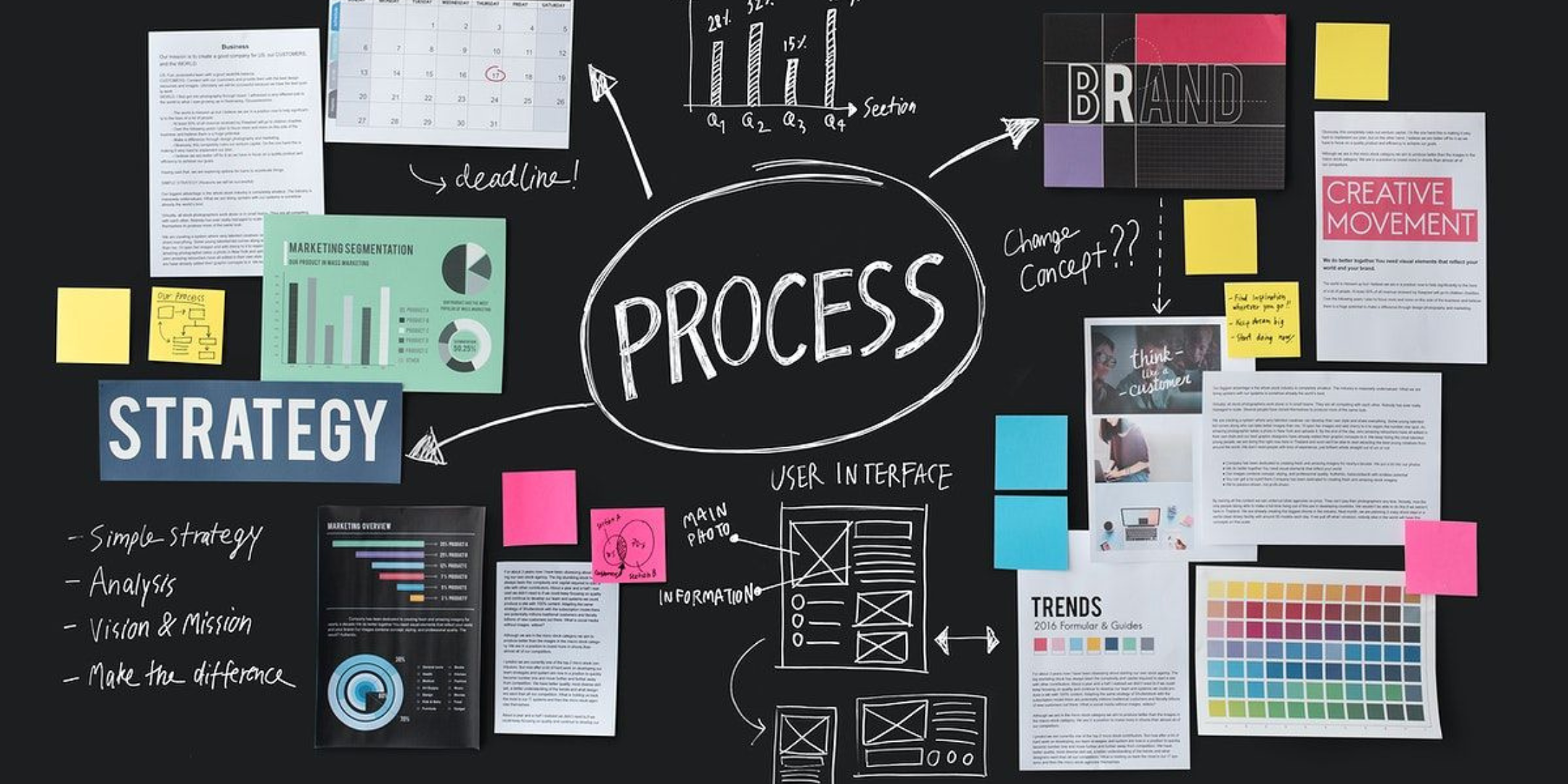
1. Maintain a Clear and Concise List
Simplicity is key when organizing your tasks. Utilize digital tools such as Microsoft To Do, Trello, or Outlook Tasks for a clean, centralized list accessible across devices. Categorize tasks by project, priority, or deadline to enhance visibility and reduce cognitive load.
2. Establish Priorities with Intent
Assess and rank your tasks based on urgency and impact. Focus on high-priority items that align with business objectives or key performance indicators. Applying frameworks like the Eisenhower Matrix can help distinguish critical activities from low-impact ones, allowing for more strategic allocation of your time.

3. Break Down Complex Tasks
Large projects can be overwhelming. Decompose them into actionable steps with clear milestones. This approach facilitates steady progress, provides frequent achievements, and improves task manageability within busy schedules.
4. Implement Time Blocking Techniques
Allocate dedicated time segments in your calendar to work on specific tasks or groups of related activities. Time blocking minimizes distractions and multitasking, fosters deep work, and ensures balanced attention across responsibilities.

5. Conduct Regular Reviews and Adjustments
Incorporate daily or weekly reviews to evaluate task completion, reprioritize pending items, and update your to-do list accordingly. Maintaining a dynamic list responsive to evolving demands ensures alignment with organizational goals and personal workload capacity.
6. Foster a Growth Mindset and Self-Compassion
Recognize that workload fluctuations and unforeseen challenges are part of professional life. Approach incomplete tasks with flexibility and a problem-solving mindset, avoiding unnecessary self-criticism. Celebrating progress, even incremental, supports motivation and well-being.
Effective to-do list management is a cornerstone of professional effectiveness and stress reduction. By applying these structured and adaptable strategies, you can enhance productivity, sustain focus, and foster a healthier approach to your workload. Embrace these practices to transform your daily task management into a streamlined, stress-mitigated process.
If you’re ready to take your productivity and workplace efficiency to the next level, explore how ExeQserve’s training and development programs can help you and your team work smarter, manage tasks better, and achieve more—without the stress.