
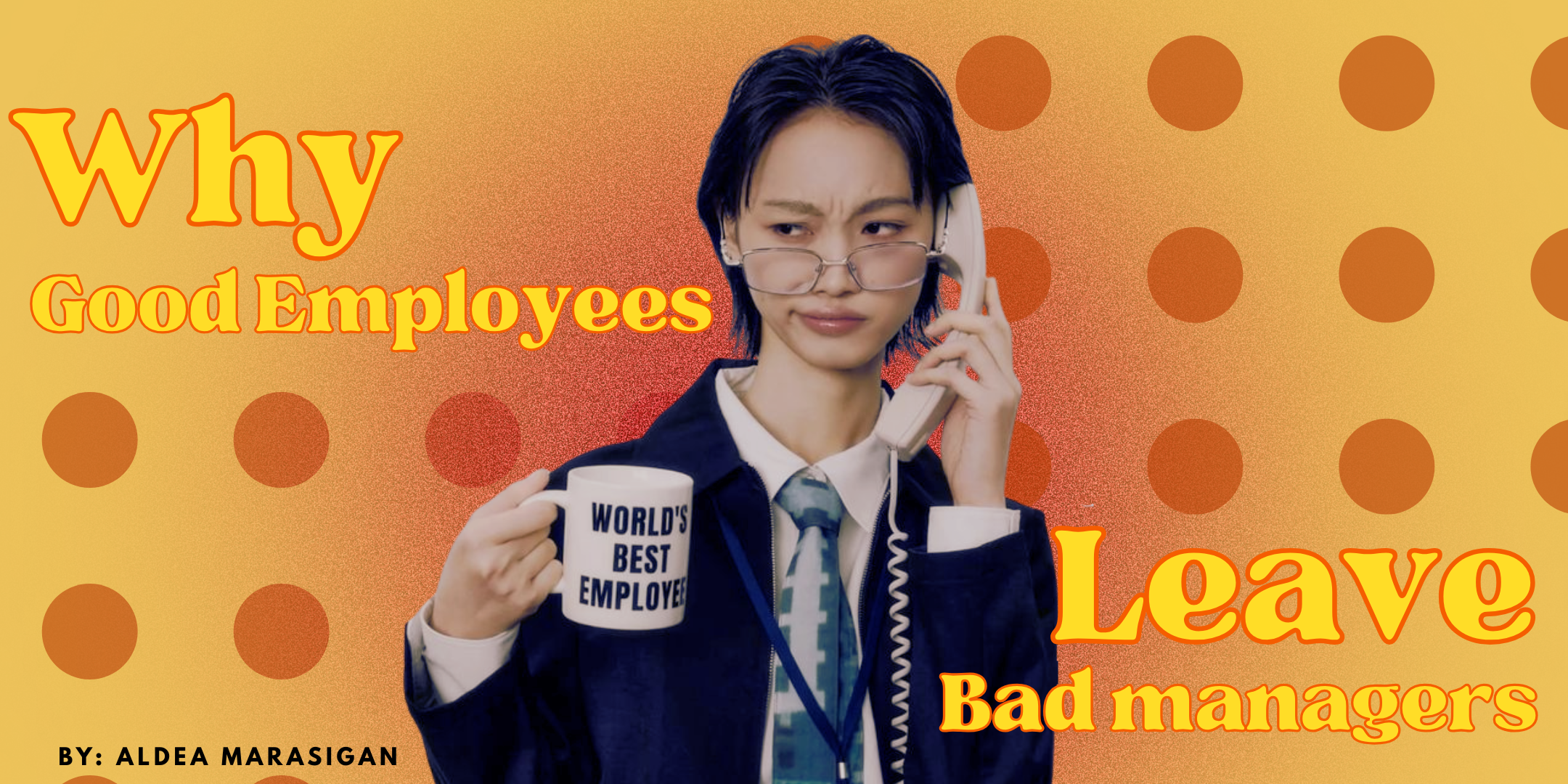
Employee turnover is often blamed on compensation, workload, or better opportunities elsewhere. While these factors matter, research and real-world experience consistently point to a deeper truth: employees don’t leave companies—they leave bad managers.
High-performing employees are deeply invested in their work. They care about results, growth, and impact. When managership fails to support these values, even the most loyal and capable employees eventually disengage and walk away.
So what exactly drives good employees to leave bad managers?

1. Lack of Trust and Psychological Safety
Good employees thrive in environments where they feel safe to speak up, share ideas, and admit mistakes. Bad managers, however, often rule through fear, blame, or micromanagement.
When employees feel constantly judged or punished for honest mistakes, they stop contributing fully. Innovation dies, engagement drops, and trust erodes. Over time, talented employees choose to leave rather than continue working in a culture where their voice doesn’t matter.
Management insight: Trust is not built through control, but through consistency, fairness, and open communication.
2. Poor Communication and Unclear Direction
Top performers want clarity. They want to understand expectations, goals, and how their work contributes to the bigger picture.
Bad managers often fail to communicate clearly—or only communicate when something goes wrong. This creates confusion, rework, and frustration. When employees are left guessing what success looks like, motivation declines.
Eventually, good employees seek managers who provide direction, feedback, and alignment—not constant uncertainty.
Management insight: Clear expectations and regular communication are not optional. Managers who align goals, explain priorities, and provide ongoing feedback help employees perform with confidence and purpose.

3. Lack of Recognition and Appreciation
Good employees don’t always need praise—but they do need to feel valued.
Bad managers take credit for wins and place blame for losses. Effort goes unnoticed, milestones are ignored, and achievements are treated as expectations rather than accomplishments.
Over time, this lack of recognition sends a clear message: your work doesn’t matter. High performers won’t stay long in environments where their contributions are invisible.
Management insight: Recognition doesn’t have to be grand. Timely, sincere acknowledgment goes a long way.
4. Limited Growth and Development
Talented employees are growth-oriented. They want to learn, stretch, and build skills that prepare them for future roles.
Bad managers feel threatened by capable team members or view development as an expense rather than an investment. They withhold opportunities, avoid coaching conversations, and resist change.
When growth stalls, good employees move on—often to managers who are willing to mentor and empower them.
Management insight: Developing employees is not a threat to authority—it is a mark of effective management. Managers who coach, delegate meaningfully, and support learning build stronger, more loyal teams.
5. Values Misalignment
Good employees care about integrity, respect, and purpose. When managers tolerate unethical behavior, favoritism, or disrespect, it creates a values gap.
This misalignment is exhausting. Employees may try to rationalize it at first, but over time, working under managers who don’t walk the talk becomes unsustainable.
People leave not just to advance their careers—but to protect their values.
Management insight: Managers set the tone for acceptable behavior. When managers model integrity, fairness, and respect, employees are more likely to stay aligned, engaged, and committed.

The Real Cost of Bad Leadership
When good employees leave, organizations lose more than talent. They lose institutional knowledge, morale, momentum, and credibility. Remaining employees are left overworked and disengaged, creating a cycle of turnover that is difficult—and expensive—to break.
The solution isn’t better exit interviews. It’s better managership.
Developing Leaders Who Make People Stay
Organizations that retain top talent invest in managers who:
- Listen with empathy
- Communicate with clarity
- Give constructive feedback
- Recognize effort and results
- Develop people, not just processes
Management is not just about overseeing tasks—it’s about guiding people. And how managers show up every day determines whether employees stay or go.
At ExeQserve, we recognize that effective management is a critical skill—one that can be developed with the right tools, mindset, and support. By helping managers build trust, communicate clearly, and develop their people, organizations don’t just reduce turnover—they create workplaces where employees feel valued, motivated, and committed.
Because better managers don’t just manage work—they keep people.