

Leadership isn’t just about setting direction or hitting targets — it’s about managing people.
And that’s often the hardest part of the role.
Behind every leader is a set of challenges that don’t always show up in reports or KPIs, but quietly shape performance, morale, and workplace culture.
Here are five of the most common pain points leaders face when handling people — and what can actually help.

1. Feeling Overloaded and Responsible for Everything
Many leaders feel like they’re carrying the entire team on their shoulders.
Even with tasks delegated, they still end up stepping in, fixing mistakes, chasing deadlines, and double-checking work. Over time, this leads to exhaustion, frustration, and the feeling that letting go isn’t an option.
This usually comes from unclear roles, weak accountability, or a lack of confidence in delegation.
What helps:
- Clarify ownership, not just tasks. Make it clear who is responsible for results, not just activities.
- Delegate outcomes, not instructions. Allow people to decide how they’ll deliver, while you stay focused on the what and why.
- Set checkpoints instead of hovering. Regular progress updates reduce the need for micromanagement and build trust over time.
When leaders stop trying to do everything themselves, they create space for others to step up.
2. Struggling to Motivate Different Personalities
Not everyone is motivated by the same things.
One person wants recognition. Another values growth. Someone else just wants stability. Leaders often struggle to keep everyone engaged while juggling different personalities, work styles, and expectations.
Without understanding what truly drives each team member, motivation — and morale — can fade quickly.
What helps:
- Have individual conversations. Ask people what they enjoy, what challenges them, and what success looks like for them.
- Avoid one-size-fits-all motivation. Tailor recognition, feedback, and opportunities to the individual.
- Connect work to meaning. Help people see how their role contributes to something bigger than their task list.
Motivation improves when people feel seen, not managed the same way as everyone else.

3. Handling Conflict and Difficult Conversations
Conflict is unavoidable in any team.
Misunderstandings, attitude issues, and personality clashes often put leaders in uncomfortable positions. Many hesitate because they fear escalation, emotional reactions, or damaged relationships.
But avoiding conflict doesn’t make it disappear — it just allows it to grow.
What helps:
- Address issues early. Small conversations now prevent big problems later.
- Focus on behavior, not personality. Talk about what’s happening, not who someone is.
- Create a safe tone. Calm, respectful conversations encourage openness instead of defensiveness.
Handled well, conflict can strengthen trust and improve team dynamics rather than harm them.
4. Giving Feedback Without Demotivating the Team
Most leaders know feedback is essential — yet many avoid it.
They worry about hurting feelings, damaging confidence, or being seen as too harsh. As a result, issues often go unaddressed until they start affecting performance or results.
The real challenge is delivering feedback that helps people improve — not shut down.
What helps:
- Be specific and timely. Vague or delayed feedback creates confusion.
- Balance strengths and improvements. Acknowledge what’s working before addressing what needs to change.
- Frame feedback as support. Position it as guidance for growth, not criticism.
When feedback is clear and respectful, it builds capability instead of fear.
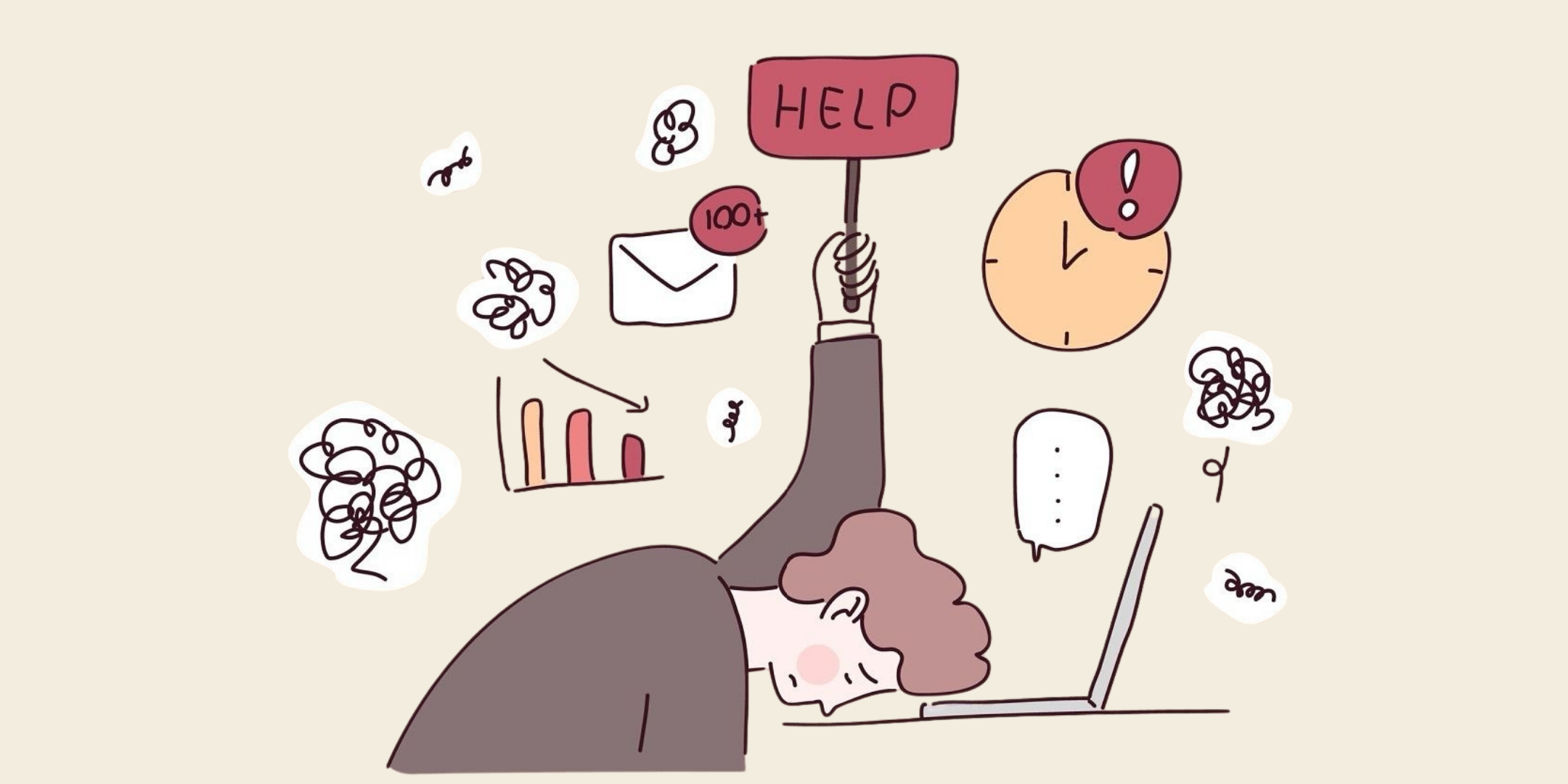
5. Pressure From Both Management and the Team
Many leaders feel stuck in the middle.
They’re expected to deliver results for management while also supporting and advocating for their team. Often, they must enforce decisions they didn’t make — while absorbing frustrations from both sides.
This constant tension can lead to stress, burnout, and decision fatigue.
What helps:
- Communicate context, not just instructions. Help your team understand the “why” behind decisions.
- Set realistic boundaries. You can be supportive without carrying everyone’s emotional load.
- Align expectations upward and downward. Clarify what’s negotiable, what’s not, and where you can advocate.
Strong leaders don’t eliminate pressure — they learn how to manage it without losing themselves.
Leadership challenges don’t mean someone is failing — they mean someone is carrying responsibility.
Handling people is complex, emotional, and demanding. That’s why leadership isn’t something you simply step into — it’s something you continuously develop.
Because effective leadership isn’t just about authority.
It’s about understanding people — and leading them with clarity, balance, and intention.
Ready to Lead With More Clarity and Confidence?
Leadership doesn’t get complicated because people are difficult — it gets complicated because leading people requires skill, awareness, and continuous growth.
The good news? These challenges can be learned, practiced, and strengthened.
Through leadership training, leaders gain the tools to delegate with confidence, communicate effectively, handle conflict with clarity, and lead teams without burning out.
If you’re ready to grow from managing tasks to truly leading people, investing in leadership development is a powerful next step.
Because better leaders don’t just happen — they’re developed.