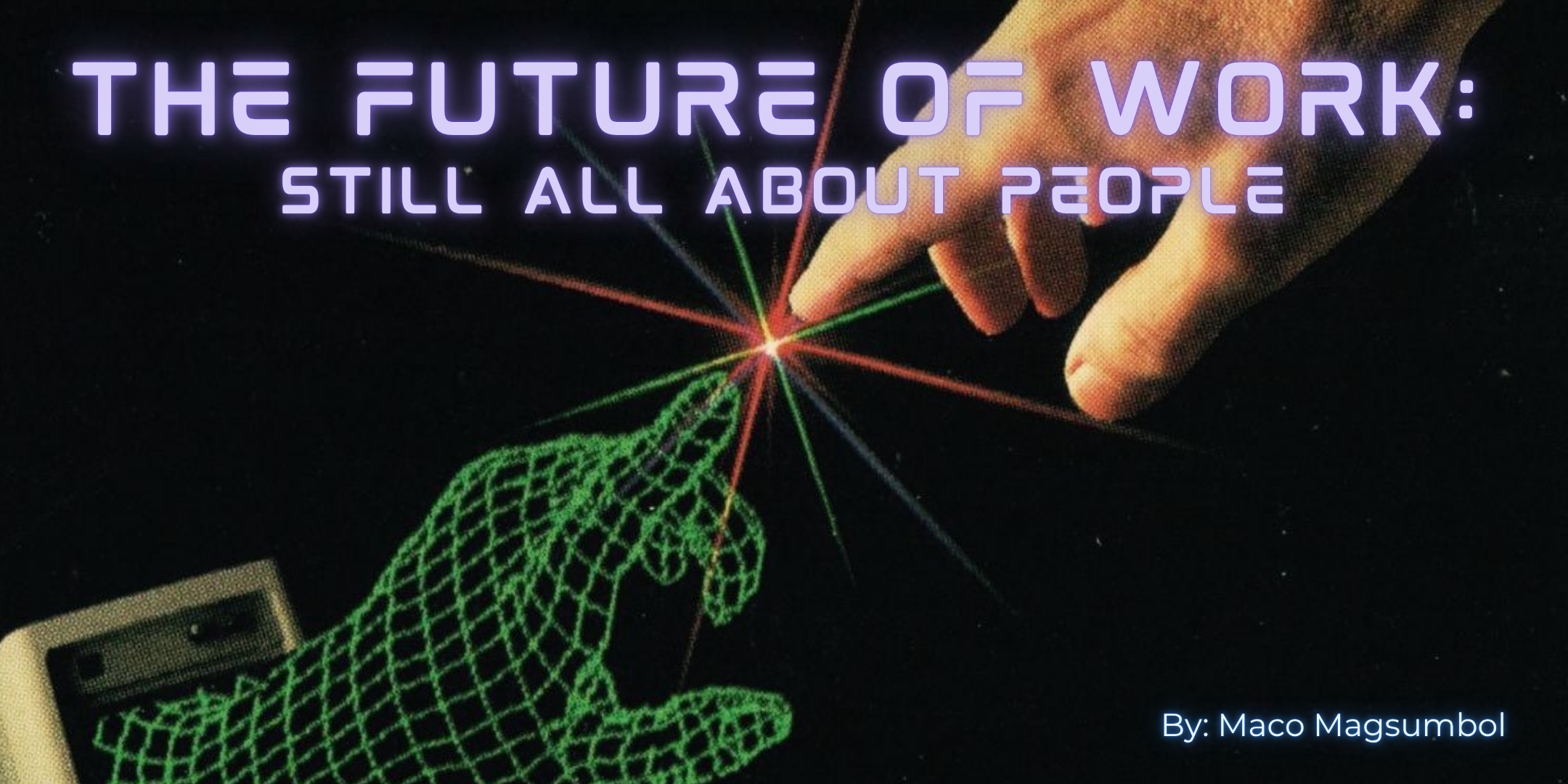
Work has been changing rapidly in recent years. New tools, artificial intelligence, automation, and hybrid work setups have transformed how organizations operate and how people carry out their daily responsibilities. Everything feels faster, more digital, and more connected than ever before. Yet despite all these changes, one thing continues to remain constant: work is still fundamentally about people.
Technology is reshaping how tasks are performed. Processes that once took hours can now be completed in minutes. Systems are becoming more intelligent, and communication can now happen instantly across teams, regardless of location. Remote and hybrid work have also become standard practice in many industries, allowing greater flexibility than ever before. But behind every tool, system, and process are real individuals thinking critically, collaborating with others, adapting to change, and solving problems in real time.
This reality highlights an important truth: while the methods of work are evolving, the human element remains at the center of everything.

Work is evolving, not disappearing
There is often concern that automation and artificial intelligence will replace large portions of the workforce. While it is true that certain tasks are being automated, what is actually happening is a transformation of roles rather than their elimination.
Routine and repetitive tasks are increasingly being handled by technology, allowing people to focus on more meaningful and strategic work. Skills such as creativity, critical thinking, emotional intelligence, leadership, and decision making are becoming even more valuable in this new environment. Instead of replacing human contribution, technology is shifting so that human effort creates the most impact.
This raises an important question for the modern workplace. How can we design roles that allow people to focus on work that is more meaningful, impactful, and fulfilling?
Work is not disappearing. It is evolving.
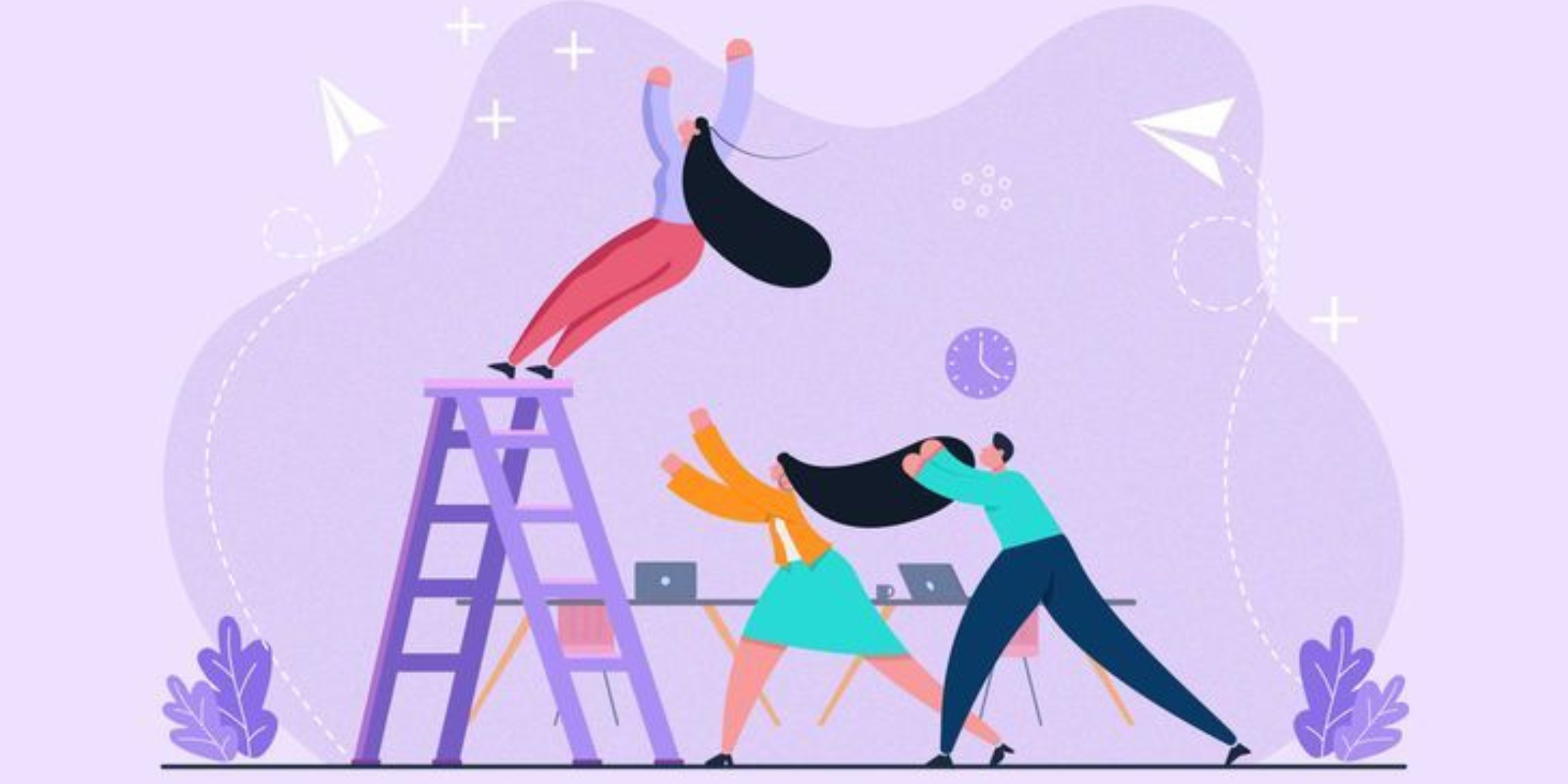
The rise of flexible and trust-based work
Another major shift in today’s workplace is the way work is structured. Hybrid models, remote teams, and flexible schedules are no longer exceptions. They are increasingly becoming the norm across industries.
This shift has also changed how performance and success are measured. Traditional indicators such as physical presence and long working hours are becoming less relevant. Instead, there is a stronger focus on trust, outcomes, accountability, and actual impact.
Alongside this, many individuals are also rethinking their relationship with work. There is a growing awareness of the importance of boundaries, rest, and personal well-being. Productivity is no longer viewed as constant activity, but as sustainable and meaningful output over time.
This leads to an important reflection. How do we define success in a way that supports both performance and well-being?
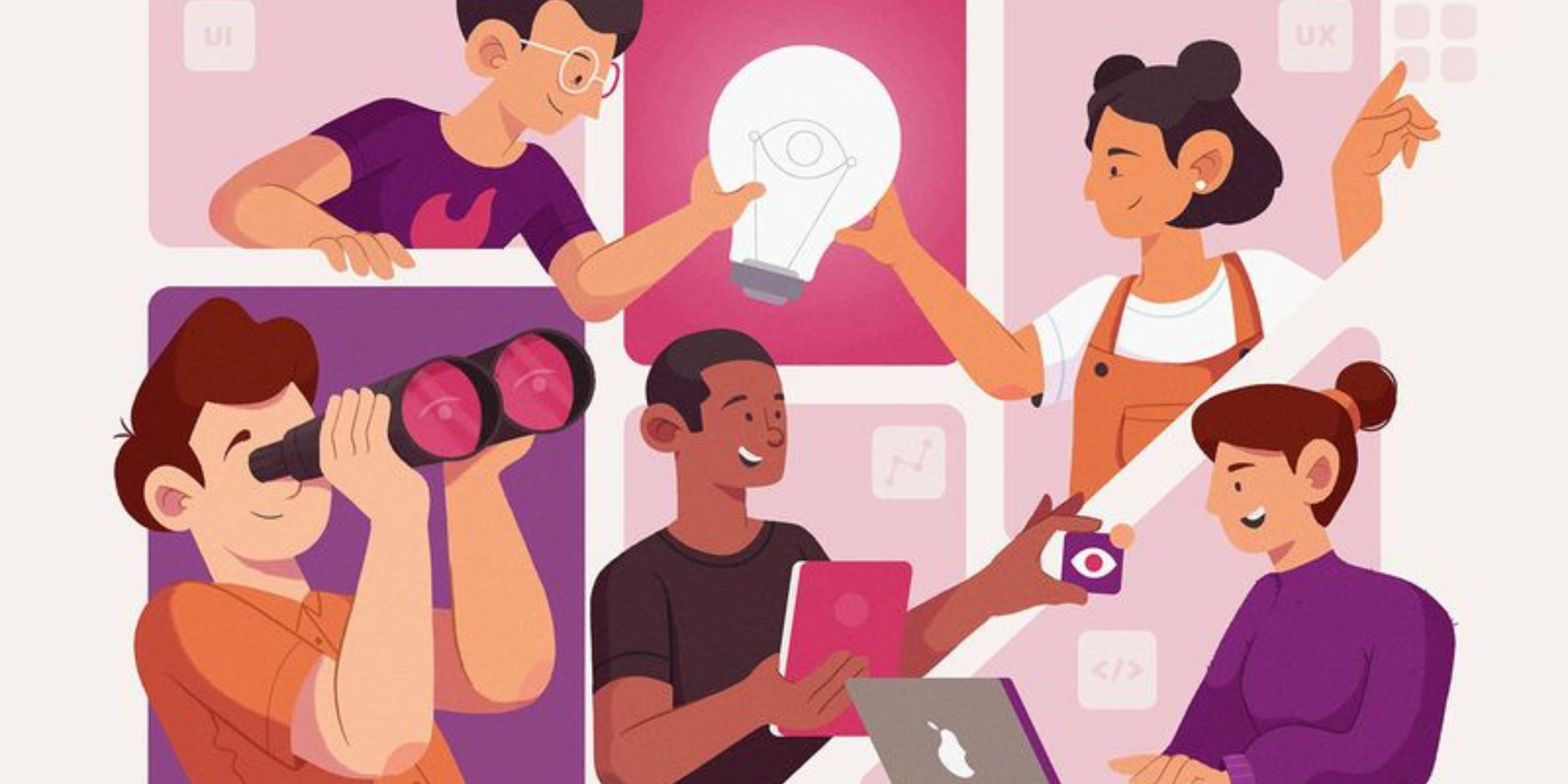
Skills that matter in the modern workplace
As the nature of work continues to evolve, so do the skills required to succeed within it.
While technical expertise remains important, soft skills have become equally essential. Communication, adaptability, collaboration, and emotional intelligence now play a major role in how effectively individuals and teams navigate complex and changing environments.
In addition, one of the most valuable skills today is the ability to continuously learn. The pace of change means that knowledge and tools quickly become outdated. Being open to growth, willing to unlearn old approaches, and able to adapt quickly has become a key factor in long-term career development.
This naturally raises another question. Which skills have been most important in shaping your own professional growth?
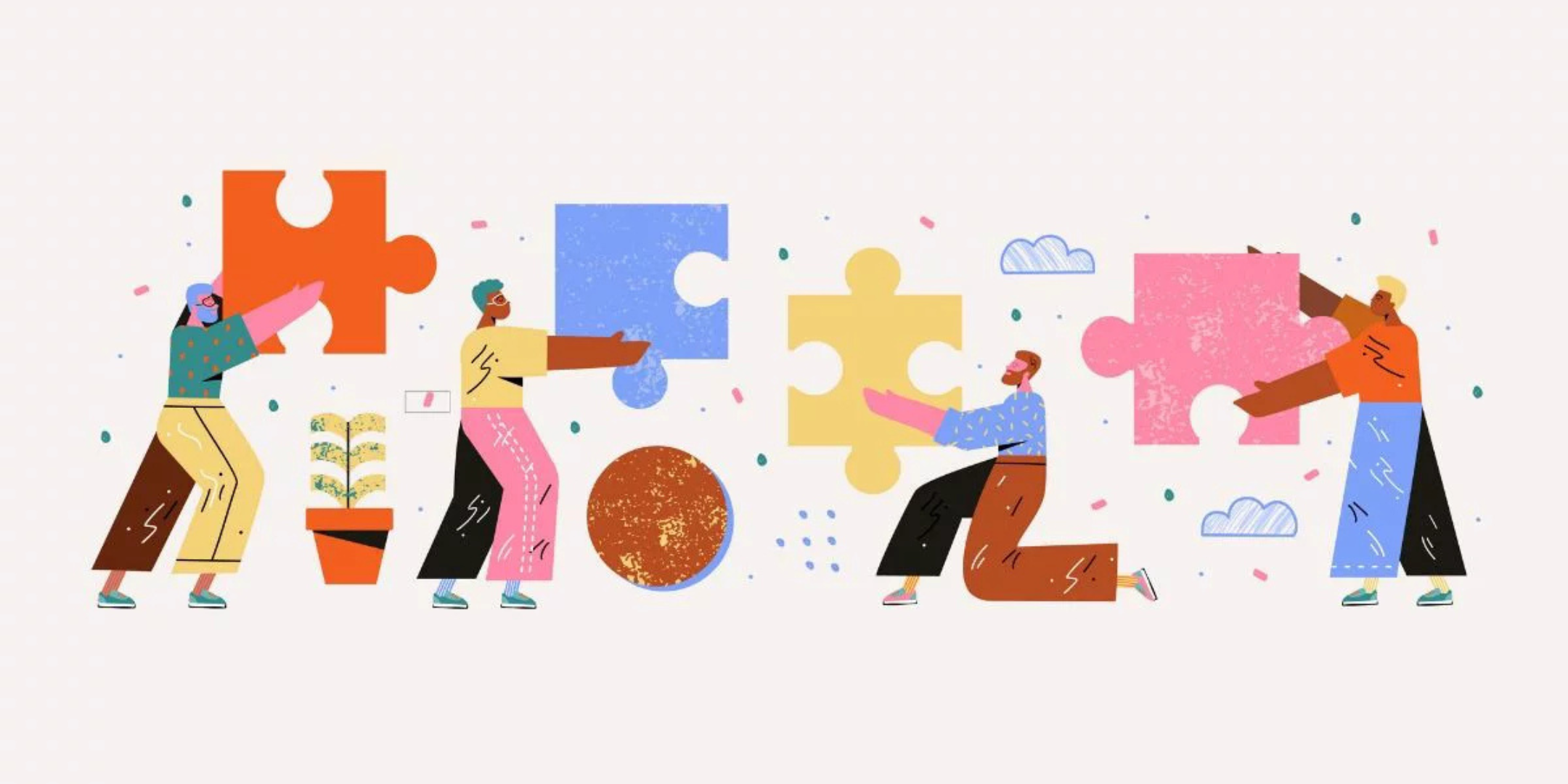
Being part of ExeQserve has made these changes more tangible in everyday work. It has been an environment where learning, collaboration, and adaptability are not just concepts discussed in theory, but part of the daily experience.
What stands out most is how much growth happens naturally through interaction, shared responsibility, and continuous exposure to evolving work demands. It reinforces the idea that development is often not a separate process, but something that happens within the flow of real work.
Ultimately, while tools, systems, and workplace structures will continue to evolve, the essence of work remains unchanged.
At its core, work is still about people working with people, collaborating, adapting, learning, and building together. Technology may change how we work, but it does not change why we work or who we work with.