I recently chatted with a friend about her work and how she has been feeling burnt out for the past few months. She told me she’d been missing targets—something so unlike her—but no matter how hard she tried, she felt like she couldn’t do anything differently. She wasn’t allowed to decide how things should be done. She wasn’t empowered to make changes. She was being held accountable for results she wasn’t given the authority to influence.
As she spoke, I could hear how frustrated and drained she was.
And in the middle of her story, something clicked.
Her situation reminded me of a video I once saw online—one that perfectly captured what she was experiencing. The girl in the video said something that stuck with me:
“If you’re accountable for outcomes, but have no real decision-making power, then you’re gonna be constantly locked in a state of stress with no real relief.”
The moment that line echoed in my mind, everything about my friend’s burnout made sense.
The Burnout That Comes From Powerlessness
My friend isn’t burnt out because she lacks drive or competence.
She’s burnt out because she’s being set up to fail.
She’s in a role where:
- She’s responsible for hitting targets
- But has no authority to adjust the strategy
- She sees what needs to change
- But isn’t allowed to make those changes
- She’s held accountable for decisions she didn’t make
It’s not the workload that’s crushing her—
It’s the powerlessness.
She’s expected to deliver results without being given the tools, decisions, or influence necessary to actually achieve those results.
That type of burnout hits differently.
It’s deeper, heavier, and far more demoralizing.
Why People Walk Away, Even If It Means Working More
As we talked, she admitted that sometimes she thinks about quitting.
Not because she wants less work—she knows other paths might demand more hours and more effort.
But in those other paths, at least the decisions would be hers.
This brought me back to the second point from that same video:
“This is why people would rather quit corporate jobs and start their own businesses even if it means they have to work harder and work longer hours.”
People aren’t scared of challenges.
They’re afraid of being stuck—of being blamed for outcomes they had no power to shape.
Empowerment isn’t a luxury.
It’s a basic need for anyone expected to perform.
A Call to Leaders: Empower AND Equip Your People
If organizations want more productivity, less burnout, and a more engaged workforce, they need to understand a key truth:
You cannot demand accountability while taking away authority.
Leaders must create environments where employees:
- Are trusted to make decisions
- Are allowed to shape the processes they’re responsible for
- Have influence over the targets they’re expected to hit
- Feel ownership over their work
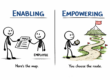
But empowerment alone isn’t enough.
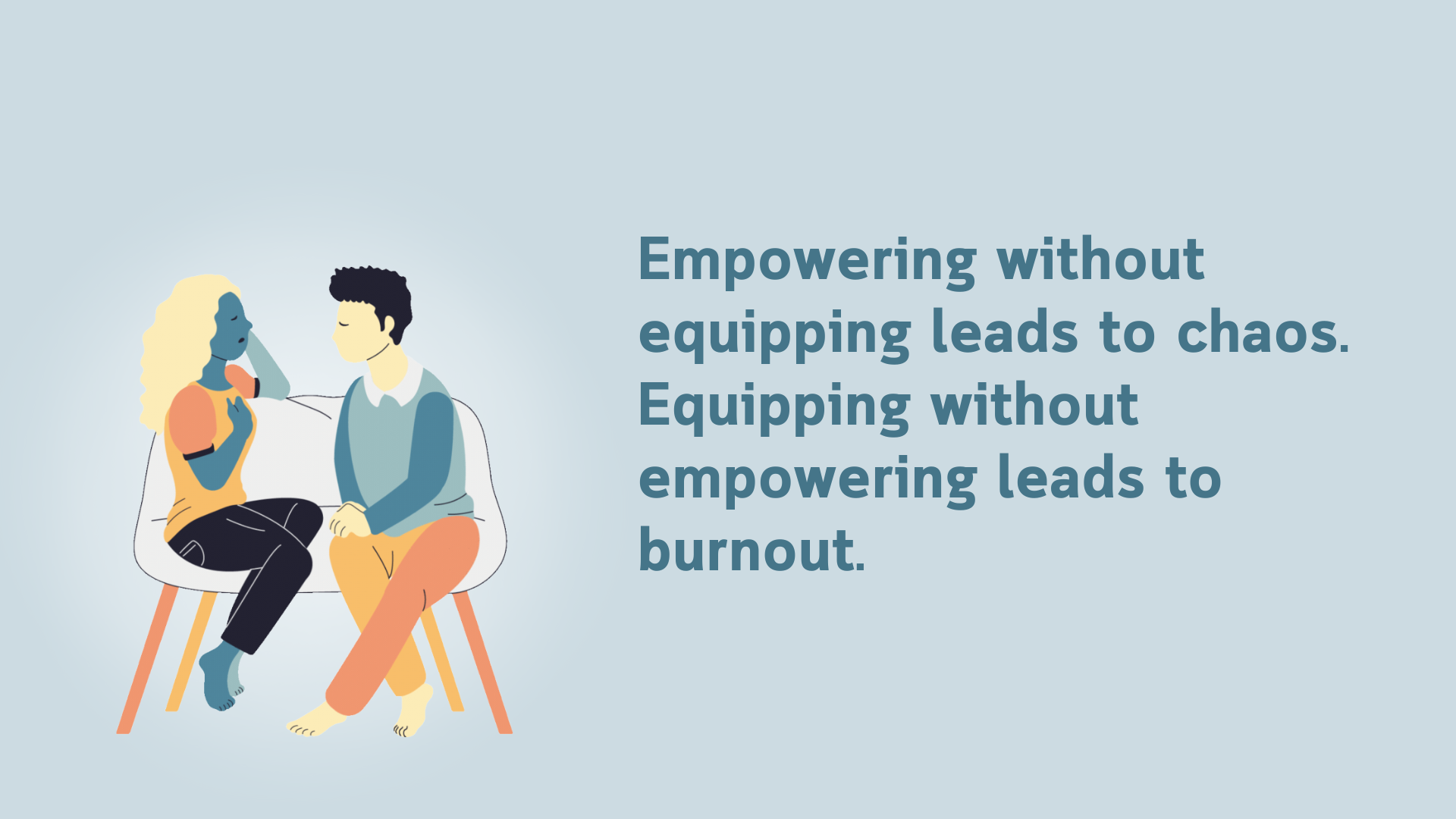
Empowering without equipping leads to chaos. Equipping without empowering leads to burnout.
Competence and autonomy must grow together.
This means leaders must also invest in:
- Continuous training and development
- Decision-making and leadership skills
- Critical thinking and problem-solving
- Communication and collaboration training
When people are empowered and competent, productivity doesn’t just rise—it multiplies.
Related Programs


Burnout often isn’t about the amount of work.
It’s about the lack of control over the work.
My friend’s experience—and that video I remembered—highlight an important truth:
People thrive when they are both trusted and trained.
Give them authority.
Give them skills.
Give them ownership.
Because when employees are empowered and equipped, they’re not just productive—they’re unstoppable.