

Are you the type of person who says “yes” too often, even when you don’t want to? Or maybe you’ve experienced situations where miscommunication led to frustration and missed opportunities. If so, you’re not alone! At our recent 2 batches of Assertive Communication Workshop, participants discovered how powerful it is to be confident, clear, and respectful in every interaction.
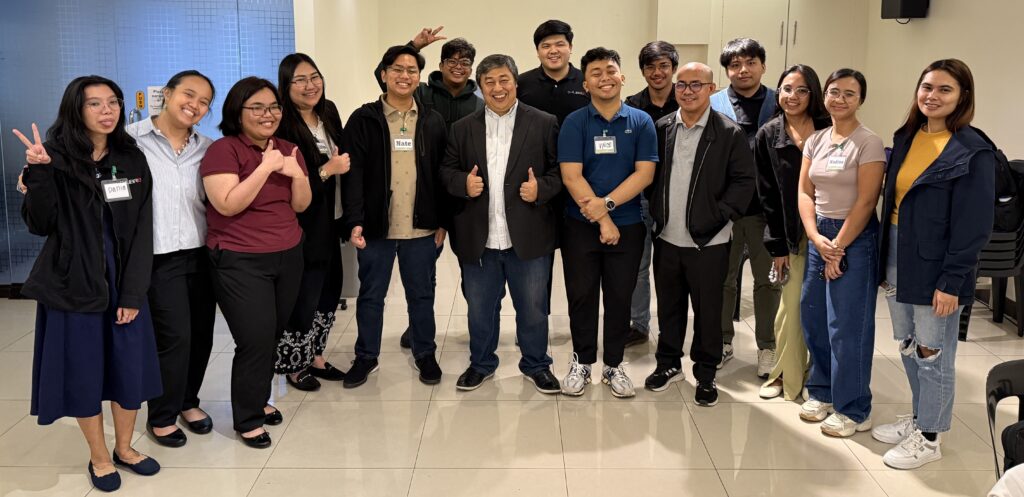

What Does Assertive Communication Mean to You?
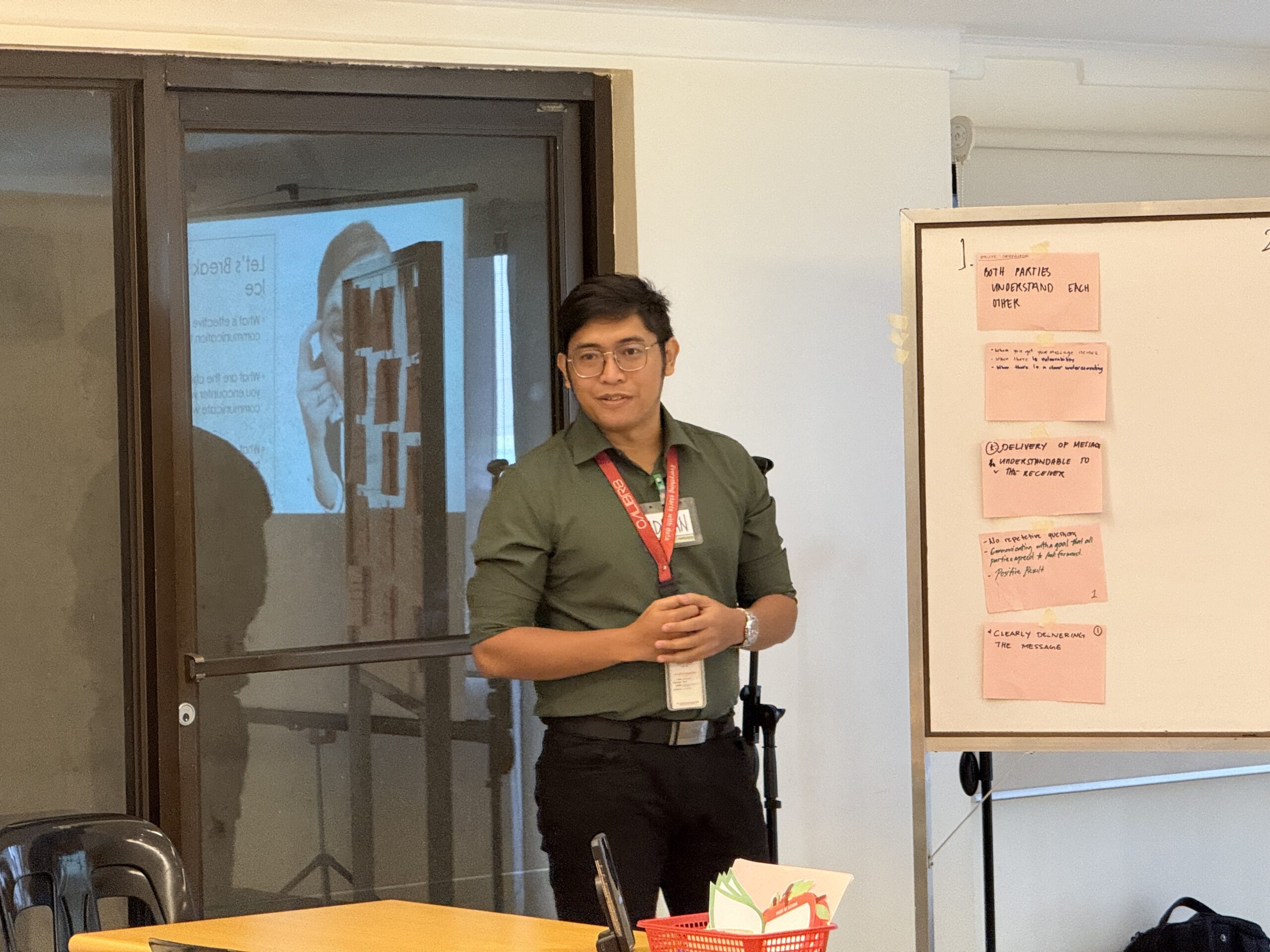
Most people tend to adopt one of the four communication styles: aggressive, passive, passive-aggressive, or assertive. But the goal isn’t just to identify your style, it’s to learn how to speak up for yourself while still being considerate of others. Through role-playing exercises and self-assessments, participants reflected on how their communication habits impact their work and relationships.
Think about this: how often do you feel like your message is misunderstood? Or that you hold back because you fear conflict? We explored the common barriers to effective communication, from distractions to bad listening habits, and practiced overcoming them by clarifying, giving feedback, and listening actively.

Can You Say “No” with Confidence?
One of the key takeaways was learning how to set boundaries and say “no” without guilt. It’s not about being rude, it’s about respecting your own time and others’. Saying “no” properly builds trust and prevents resentment, especially when you explain your reasoning using techniques like the “I” statement. For example, instead of saying, “You always ask for last-minute help,” you could say, “I feel overwhelmed when I receive last-minute requests because it disrupts my schedule.”

Listening is More Than Hearing
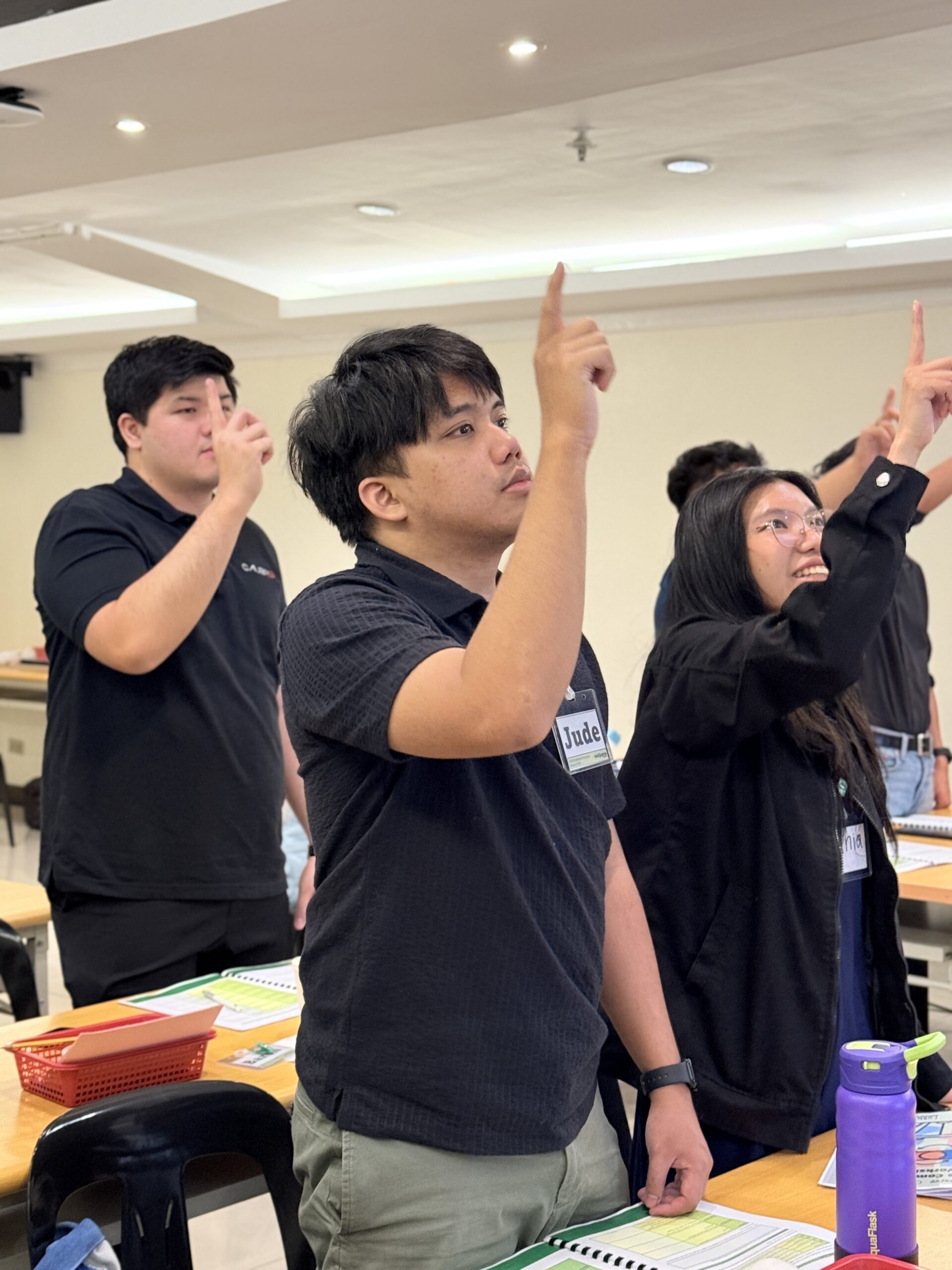
Have you ever thought you were listening, but later realized you missed key details? That’s because listening is an intentional act, not just hearing words. Participants practiced active listening through group activities and explored how mental models influence how we interpret messages.


Techniques for Conflict Resolution
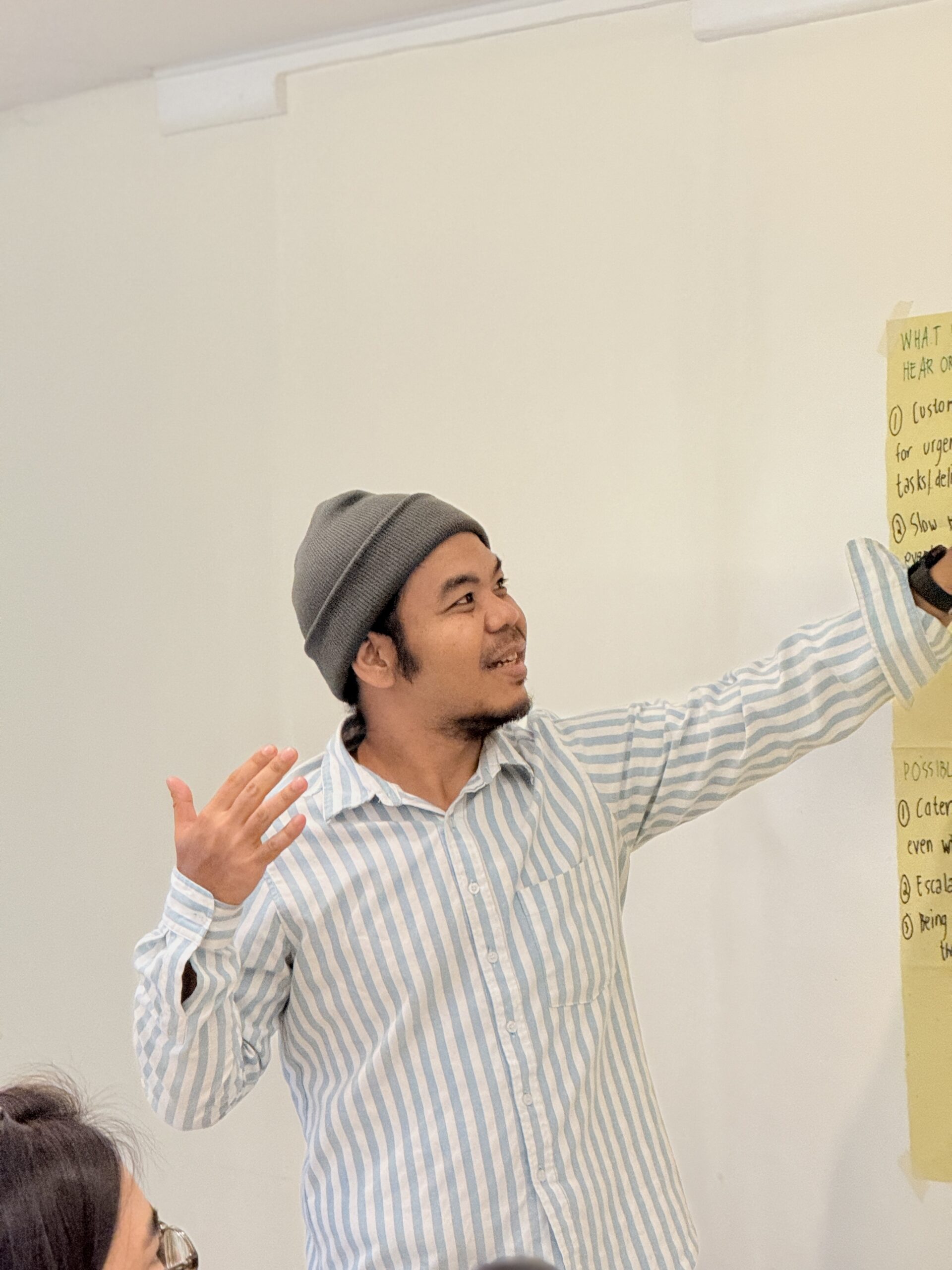
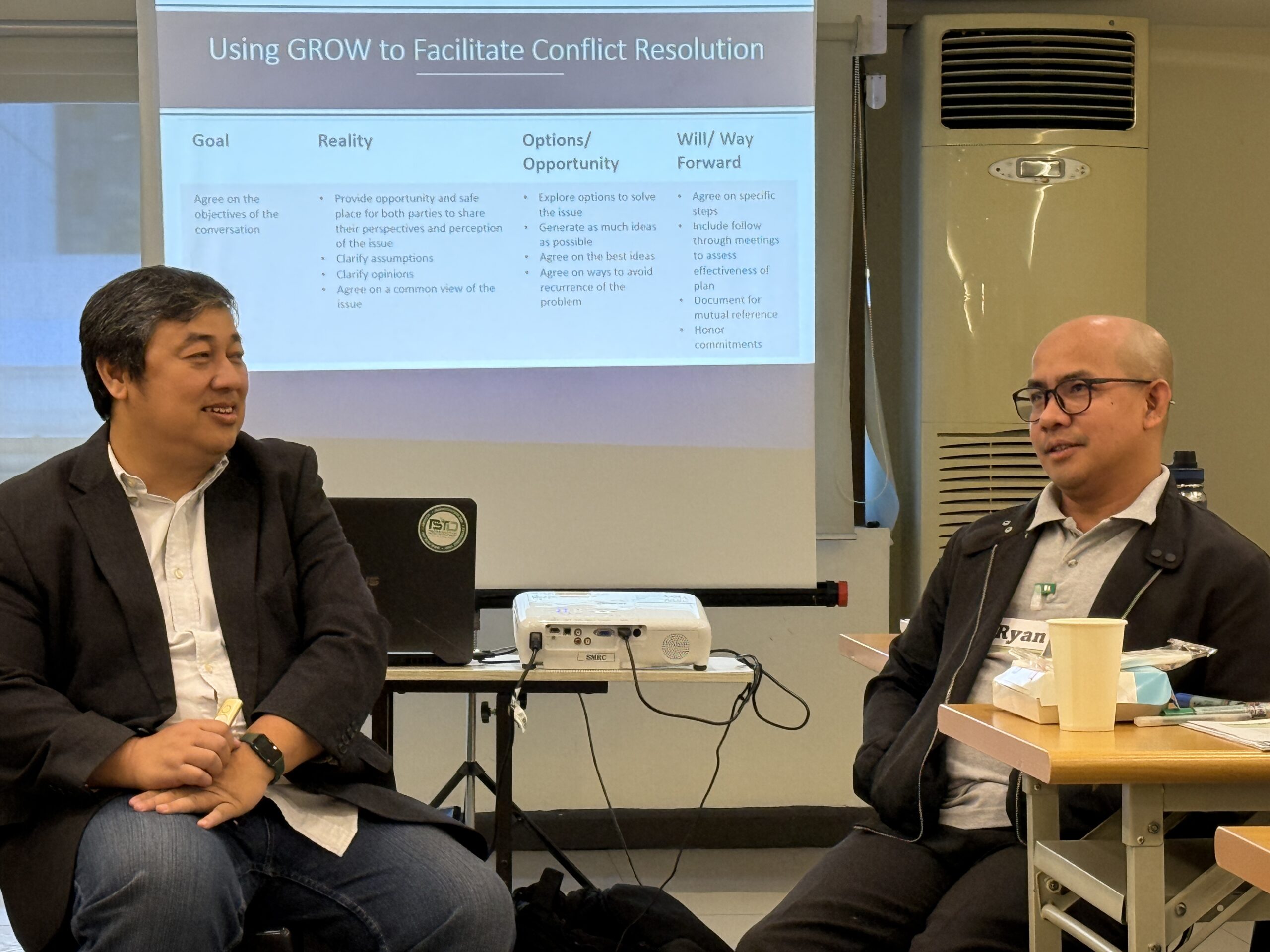
Let’s face it, conflicts are inevitable, but they don’t have to end in tension. The workshop covered practical techniques like the broken record technique, fogging, and defusing methods. These simple yet powerful tools help you stay calm and assertive when conversations get heated. We also discussed the Thomas-Kilmann Conflict Resolution model to help participants approach conflicts with flexibility and strategy.
 Your Turn: What Would You Do Differently?
After learning about assertive communication, we asked participants this final question: How will you change the way you communicate tomorrow? Their responses revealed that assertiveness isn’t just a skill—it’s a mindset. Whether you’re leading a team, resolving conflicts, or simply asking for help, assertiveness can transform the way you connect with others.
Ronald Reagan once said, “I’ve always believed that a lot of the trouble in the world would disappear if we were talking to each other instead of about each other.” Imagine a world where people communicate openly to solve problems—wouldn’t it be more harmonious?
So, what about you? Are you ready to speak up and listen with intention?
Check out our Assertive Communication Workshop to learn more.